
Saddle Stitch
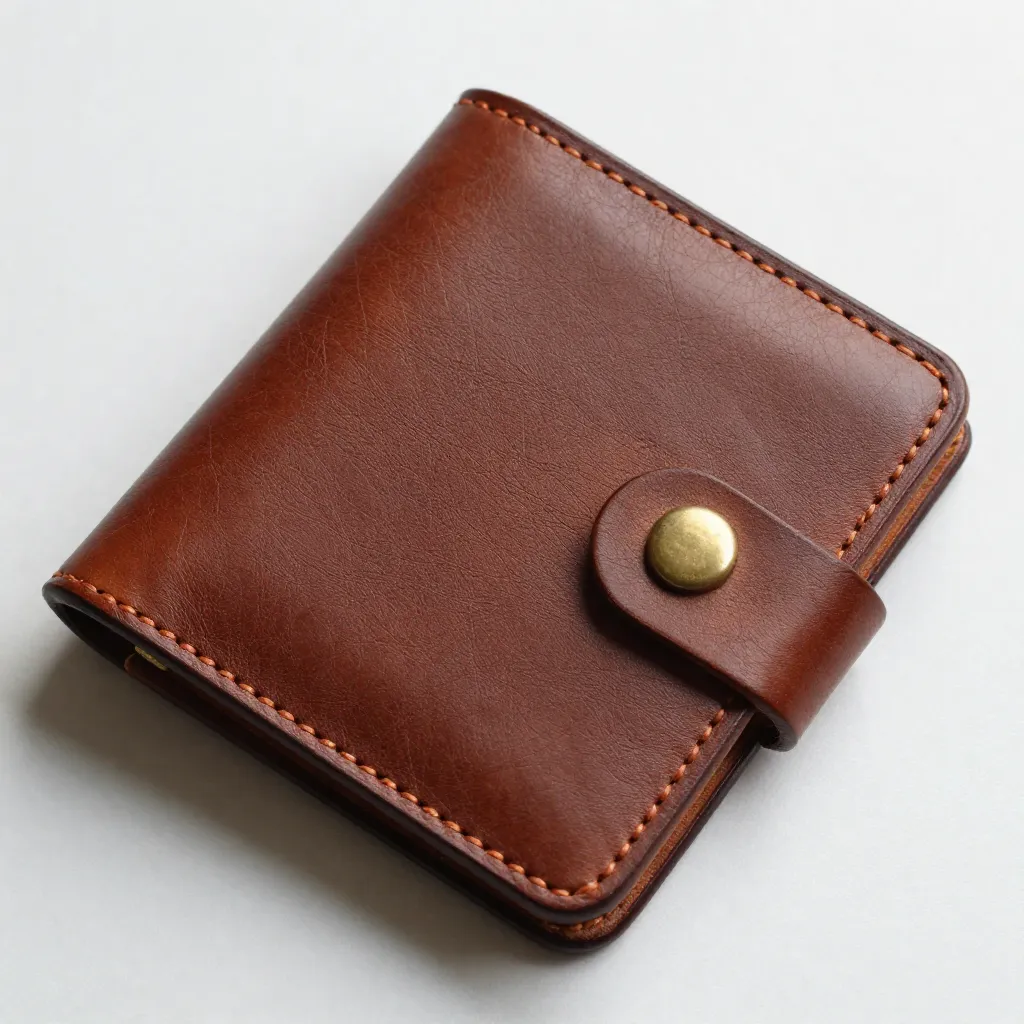
Structural Integrity
Two needles pass through the same hole from opposite directions, creating interlocking loops. This method distributes stress evenly along the seam line. If one thread fails, the other maintains connection.

Tension Control
Consistent thread tension prevents material distortion. Each stitch is pulled tight enough to create secure connection without compressing the leather. Spacing is measured precisely.
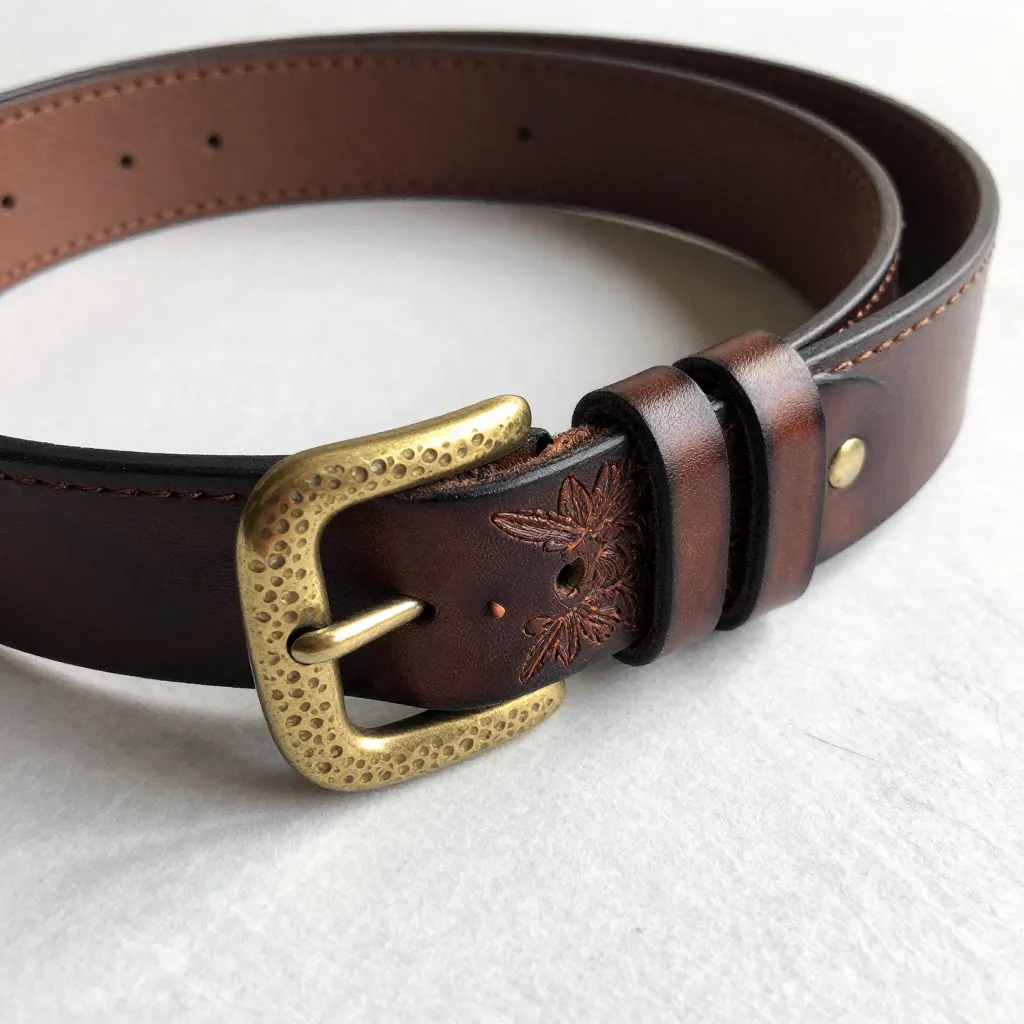
Edge Finishing Process
Preparation
Edges are trimmed to uniform thickness. Surface irregularities are removed through careful sanding. Clean edges ensure consistent burnishing results.
Application
Edge dressing is applied evenly along the surface. Friction from burnishing tools generates heat, which helps seal the material. Multiple passes create smooth finish.
Result
Finished edges resist fraying and moisture penetration. The sealed surface maintains appearance over extended use periods. Visual consistency is achieved.
Solid Brass Hardware
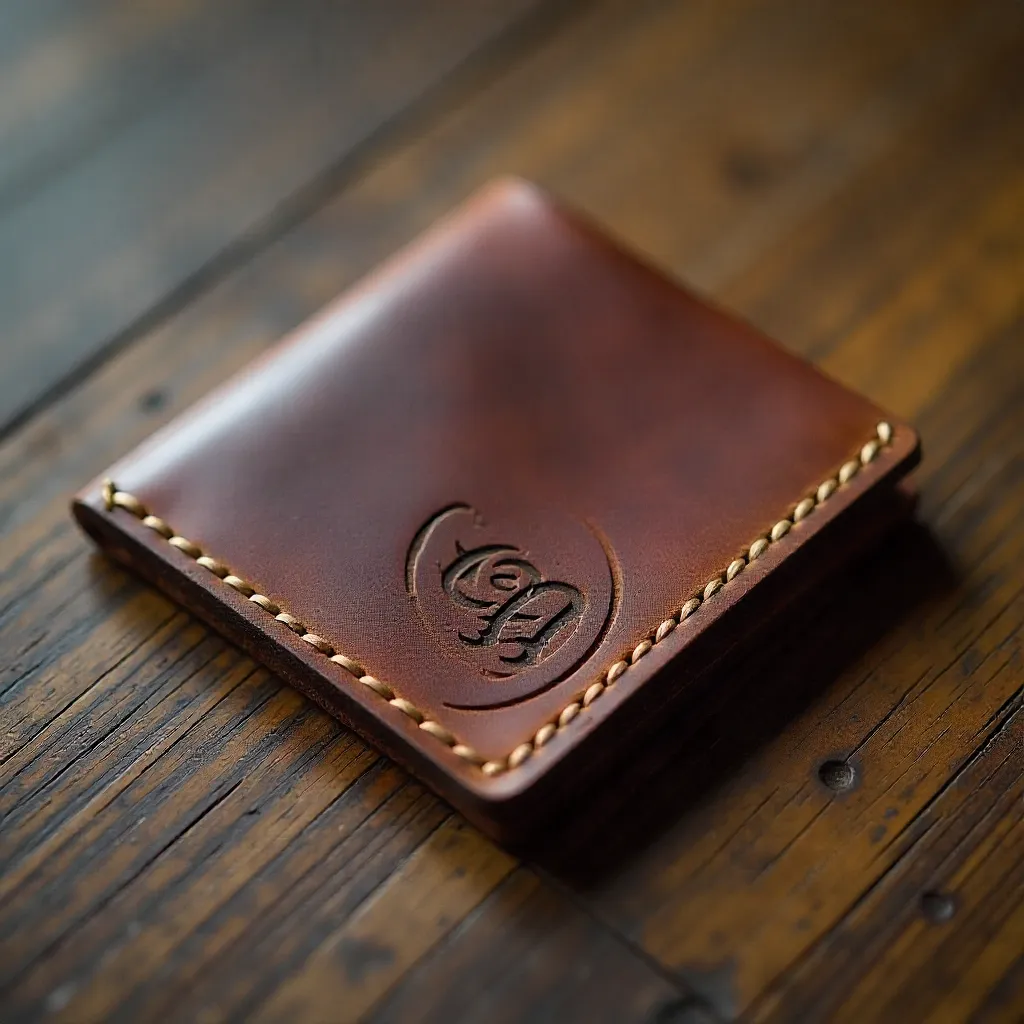
Material Properties
Brass provides corrosion resistance and mechanical strength. Natural patina develops over time, creating protective surface layer. Components maintain functionality under repeated use.

Installation Method
Rivets and snaps are set with precise pressure. Connection points are reinforced to prevent material stress. Hardware placement considers load distribution and aesthetic balance.
Assembly Sequence
Pattern Alignment
Cut pieces are positioned according to grain direction and pattern matching requirements. Alignment ensures structural consistency and visual harmony.
Stitching Order
Seams are stitched in sequence that allows access to all connection points. Interior seams are completed before exterior finishing. Order prevents obstruction.
Final Assembly
Hardware is installed after stitching completion. Edge finishing is performed as final step. Quality inspection verifies dimensional accuracy and structural integrity.